*The rates above are for one term of 9 sessions. Each school year consists of 4 terms.
VIEW THE 2026–2027 ACADEMIC CALENDAR HERE
1. OVERVIEW
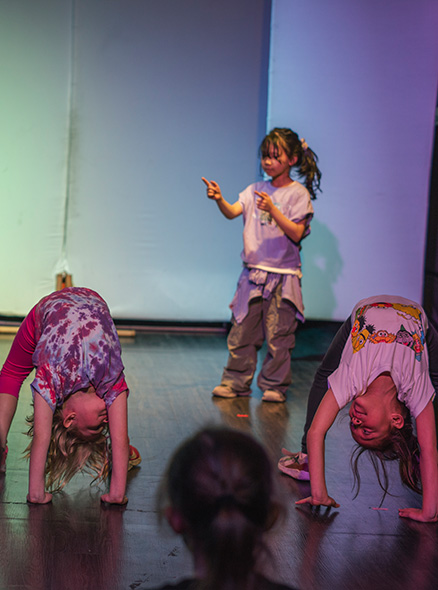
Street Dance for Kids introduces young dancers to the exciting world of hip- hop and street dance through movement, music, and creativity. Designed for children aged 6–13, the class combines foundational techniques, rhythm exercises, freestyle games, and accessible choreography in a supportive and energetic learning environment.
Students are encouraged to explore their own movement style while developing strong dance fundamentals.
Through individual practice and collaborative activities, children build confidence, coordination, musicality, and creativity while learning the value of teamwork and shared performance experiences.
2. OBJECTIVES
Throughout the year, students will:
- Develop fundamental street dance techniques, vocabulary, and movement quality.
- Improve rhythm, musicality, coordination, balance, agility, and body awareness.
- Build creativity through freestyle exercises and guided movement exploration.
- Strengthen confidence, self-expression, and stage presence.
- Learn to collaborate through group choreography, ensemble work, and creative dance games.
- Foster communication, cooperation, and mutual encouragement within a supportive group environment.
Students will have opportunities to perform in ATH showcases and collaborative performances throughout the year, celebrating both their individual progress and collective achievements.
3. DISCIPLINE SUMMARY
Dance: Express Yourself Through Movement
Dance classes at ATH provide an active and creative environment to explore movement, technique, and performance.
From group improvisation to choreographed routines, all classes emphasize collaboration, spatial awareness, and expressive freedom. Students gain performance experience through showcases and group projects.
"I do not try to dance better than anyone else. I only try to dance better than myself." - Mikhail Baryshnikov
4. SKILLS DEVELOPED
Individual skills:
- Dance technique and terminology
- Rhythm, coordination, and spatial awareness
- Creative expression through body movement
- Confidence and stage presence
Group skills:
- Ensemble coordination and teamwork
- Communication and collaboration
- Collective creativity and mutual support
- Joy of performing together
5. WHY IT'S IMPORTANT
Dance promotes physical fitness, flexibility, and mental agility. It develops memory, coordination, and emotional expression while fostering confidence, discipline, and social skills.
Learning dance encourages creativity, improvisation, and self-expression, while engaging the mind and body together. Performing in front of an audience develops courage, presence, and enjoyment of shared artistic experiences.
"I'm not interested in how people move, but what makes them move." - Pina Bausch